XBOX 360 Era Was a Masterclass in Community Branding
XBOX 360 Era Was a Masterclass in Community Branding
There is a specific frequency of nostalgia that hits when you think about the mid-2000s. It is not just about the games we played or the hardware we owned. It is about a moment in culture where a tech company accidentally, or perhaps brilliantly, authored a masterclass in community branding.
When we look back at the golden age of Xbox Live, we are looking at the birth of the digital third space. It was a period where identity, sensory design, and social friction converged to create something that felt less like a product and more like a movement. For those of us building brands and creative hubs today, the 360 era offers a profound blueprint for how to create lasting emotional resonance.
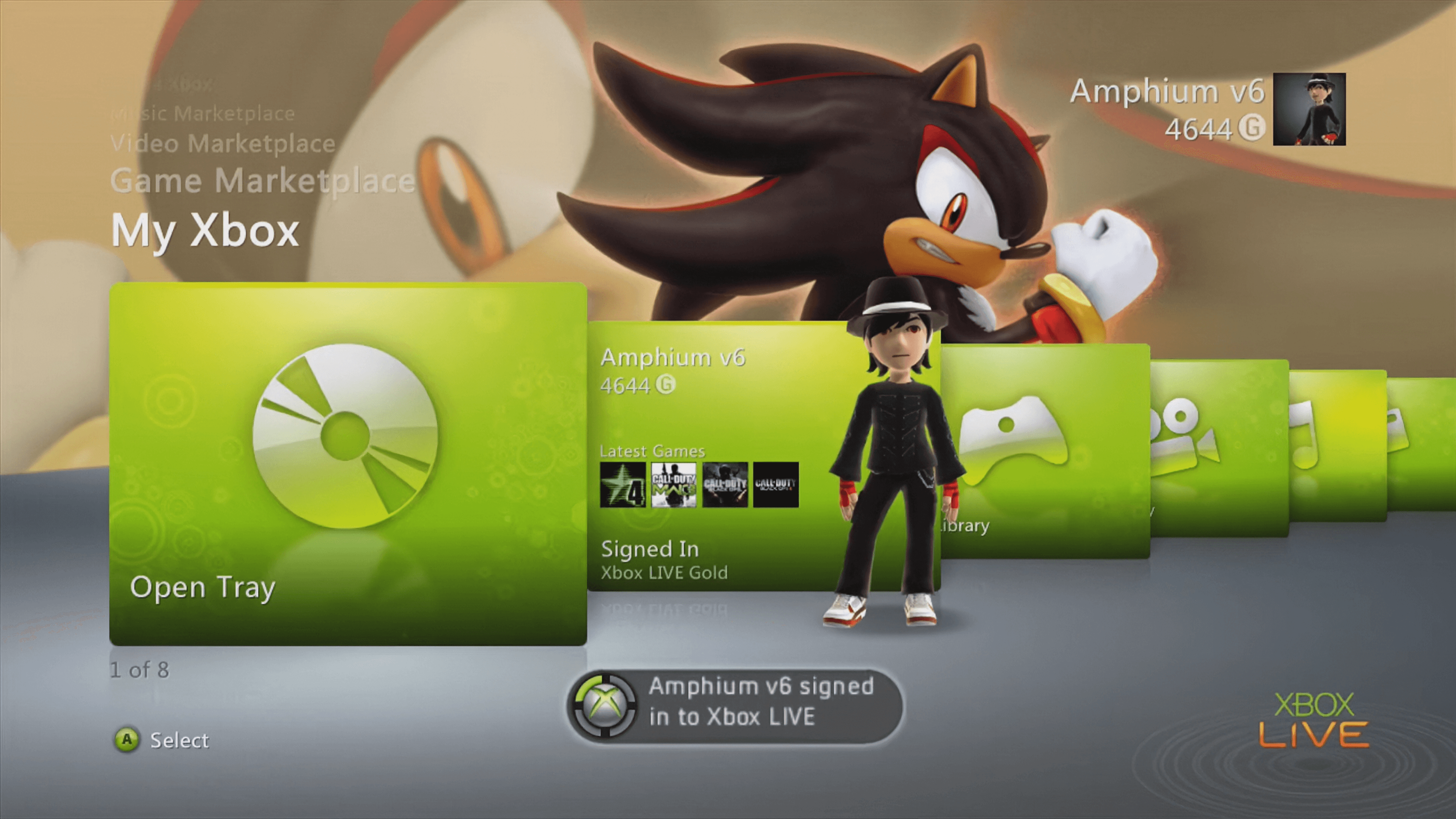
Screenshot from "[Xbox 360] NXE Dashboard Online in 2025" by Amphium
The Gamertag was perhaps the first time a generation was invited to curate a digital persona that carried weight across every experience. It was not just a username; it was your identity. It represented your skill, your taste, and your history. Microsoft understood that for a community to thrive, individuals needed a way to signal their status and their style. This is where the 360 Avatars take place. It was the digital equivalent of wearing a specific streetwear label to a local meet-up. You saw the name, and you knew the vibe.
Then there was the sensory branding. Think about the achievement notification. That specific sound was more than just a piece of audio feedback. It was a reward mechanism that became synonymous with the brand itself. It turned the act of playing into an act of mastery, and it gave the community a shared language. You did not have to explain what it felt like to hear that sound; everyone else already knew. This is the peak of brand identification—when a single tone can trigger a specific emotional response across millions of people.
But the real magic was the sense of presence. The green online light was a social signal that changed the way we interacted with our peers. It created a hub where you did not need an invitation to feel included. You simply showed up, saw who was there, and joined the conversation. It was a low-barrier, high-reward social ecosystem that current platforms often struggle to replicate because they focus too much on engagement metrics and not enough on the simple warmth of being around people who share your vision.
The eventual decline of that era serves as a vital lesson in brand integrity. When the focus shifted from the players—the core tribe—toward becoming an all-in-one entertainment box for the masses, the emotional connection shattered. It was a pivot that ignored the culture that built the house in the first place. It is a reminder that when a brand stops speaking the language of its most dedicated followers, it loses its soul.
The Xbox 360 era proved that you do not need the most powerful specs to win; you just need to give people a place where they feel like they belong. In a world of fleeting digital content, that sense of home is the most valuable thing we can create.
There is a specific frequency of nostalgia that hits when you think about the mid-2000s. It is not just about the games we played or the hardware we owned. It is about a moment in culture where a tech company accidentally, or perhaps brilliantly, authored a masterclass in community branding.
When we look back at the golden age of Xbox Live, we are looking at the birth of the digital third space. It was a period where identity, sensory design, and social friction converged to create something that felt less like a product and more like a movement. For those of us building brands and creative hubs today, the 360 era offers a profound blueprint for how to create lasting emotional resonance.
Screenshot from "[Xbox 360] NXE Dashboard Online in 2025" by Amphium
The Gamertag was perhaps the first time a generation was invited to curate a digital persona that carried weight across every experience. It was not just a username; it was your identity. It represented your skill, your taste, and your history. Microsoft understood that for a community to thrive, individuals needed a way to signal their status and their style. This is where the 360 Avatars take place. It was the digital equivalent of wearing a specific streetwear label to a local meet-up. You saw the name, and you knew the vibe.
Then there was the sensory branding. Think about the achievement notification. That specific sound was more than just a piece of audio feedback. It was a reward mechanism that became synonymous with the brand itself. It turned the act of playing into an act of mastery, and it gave the community a shared language. You did not have to explain what it felt like to hear that sound; everyone else already knew. This is the peak of brand identification—when a single tone can trigger a specific emotional response across millions of people.
But the real magic was the sense of presence. The green online light was a social signal that changed the way we interacted with our peers. It created a hub where you did not need an invitation to feel included. You simply showed up, saw who was there, and joined the conversation. It was a low-barrier, high-reward social ecosystem that current platforms often struggle to replicate because they focus too much on engagement metrics and not enough on the simple warmth of being around people who share your vision.
The eventual decline of that era serves as a vital lesson in brand integrity. When the focus shifted from the players—the core tribe—toward becoming an all-in-one entertainment box for the masses, the emotional connection shattered. It was a pivot that ignored the culture that built the house in the first place. It is a reminder that when a brand stops speaking the language of its most dedicated followers, it loses its soul.
The Xbox 360 era proved that you do not need the most powerful specs to win; you just need to give people a place where they feel like they belong. In a world of fleeting digital content, that sense of home is the most valuable thing we can create.
SHARE
Latest articles