The Cultural Legacy of Def Jam: Fight for NY
The Cultural Legacy of Def Jam: Fight for NY
In the mid-2000s, the intersection of hip-hop and gaming reached a boiling point that remains a singular moment in digital history. While most fighting titles of that era were defined by generic rosters and sterile arenas, Def Jam: Fight for NY arrived in 2004 as a high-stakes playable archive of street culture. It functioned as a definitive time capsule for the "Bling Era," capturing a specific aesthetic and energy that had never been translated into a video game with such precision.
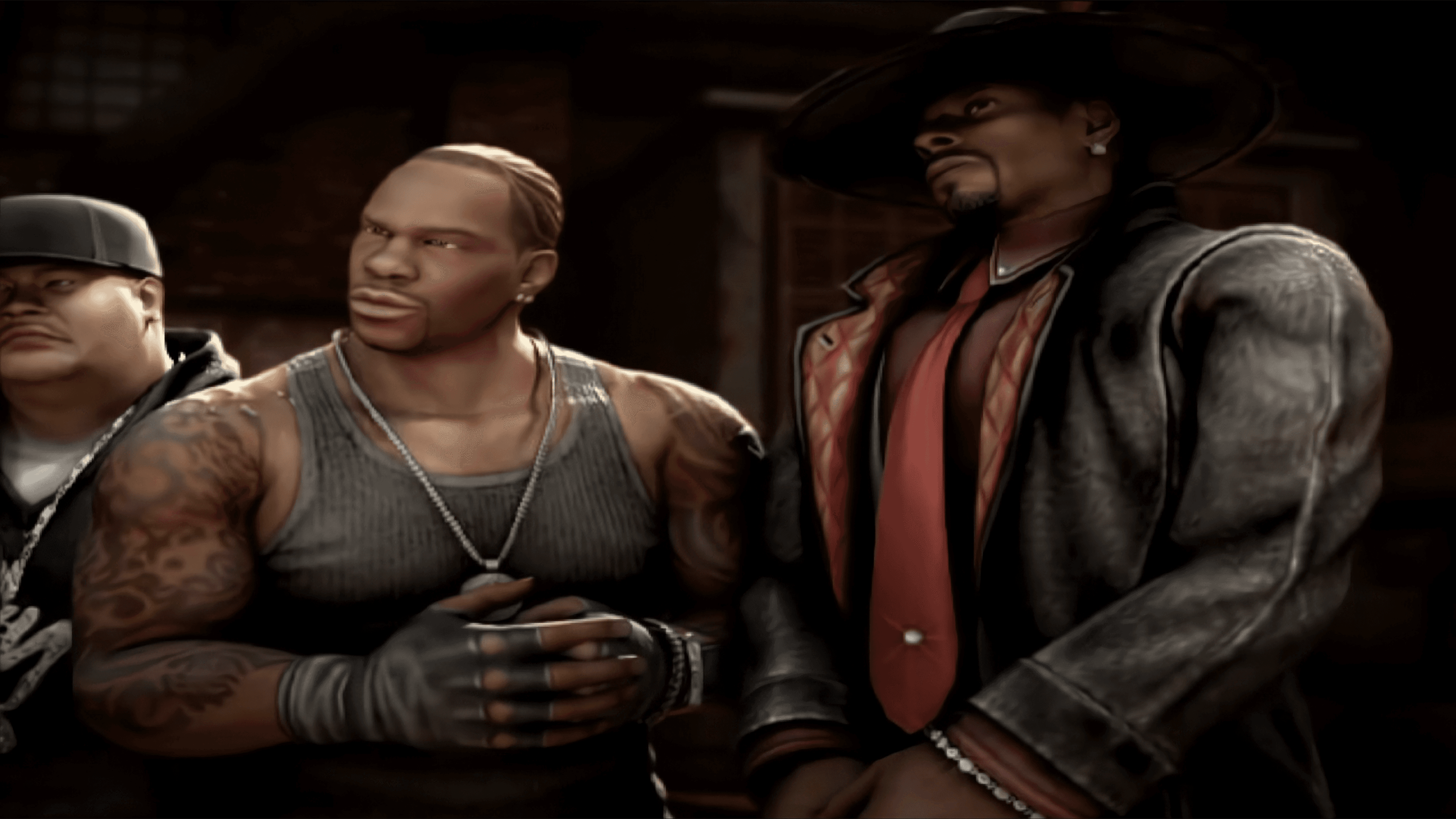
The weight of the game’s impact was largely driven by its commitment to authenticity through its roster. It moved beyond simple licensing by reimagining the industry’s titans as central figures in an underworld power struggle. Snoop Dogg took on the role of the calculated antagonist Crow, while artists like Ludacris and Xzibit appeared as formidable lieutenants within the narrative. This cinematic approach was anchored by the inclusion of cultural icons who existed outside the recording booth. The presence of Carmen Electra added a layer of early-2000s celebrity glam, while the appearance of Jacob Arabo as known as Jacob 'The Jeweler' served as the ultimate seal of legitimacy. Jacob Arabo was not merely a shopkeeper in the game; he was the same craftsman designing multi-million dollar pieces for Pharrell Williams and the hip-hop elite in the real world. His inclusion meant that a player’s digital status was backed by the same prestige found on 47th Street.
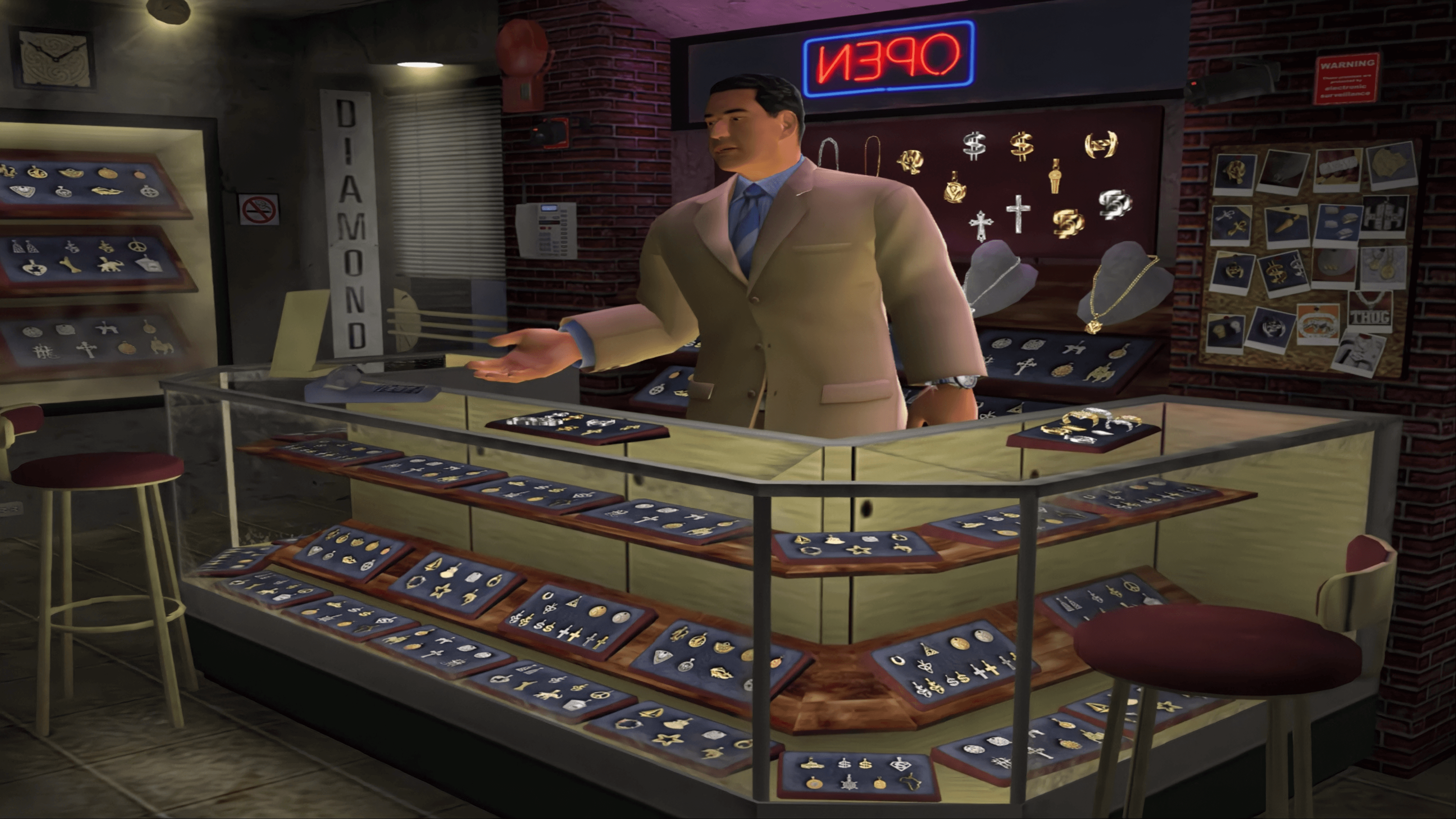
Jacob 'The Jeweler' at Jacob & Co.
This dedication to identity extended into the game’s deep customization mechanics, which centered on the evolution of a personal brand. The story mode allowed players to build a character from the ground up, treating streetwear not as a cosmetic layer, but as a core element of the experience. It provided a digital lookbook of the era's most iconic labels, allowing players to curate wardrobes featuring Ecko Unlimited, Phat Farm, and Sean John. The process of visiting Jacob to acquire platinum chains or selecting specific tattoos was a visceral exercise in projection. By allowing players to blend five distinct fighting styles—ranging from Streetfighting and Kickboxing to Martial Arts and Submissions—the game ensured that a character's movement was as curated and unique as their outfit.
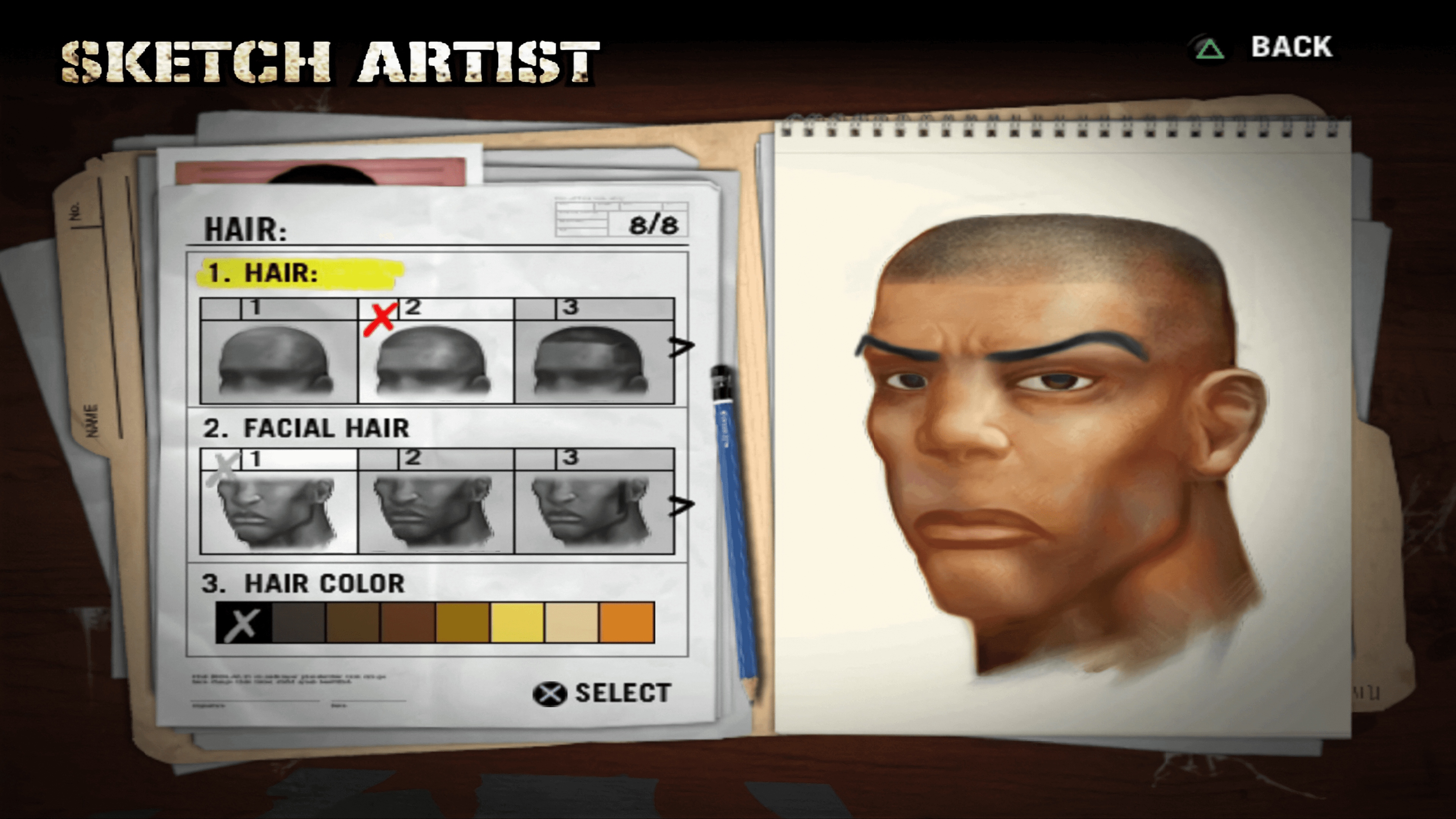
Character Customization in Story Mode.
The sense of immersion was further grounded by the way the story mode handled its narrative progression. Between fights, players interacted with the game’s world through a dedicated Message Center designed to look like the T-Mobile Sidekick, the definitive communication tool of the period. Receiving messages from characters like D-Mob, written in the specific slang and vernacular of the early 2000s, added a layer of social realism to the campaign. It was a subtle detail that made the underground hierarchy feel genuine.
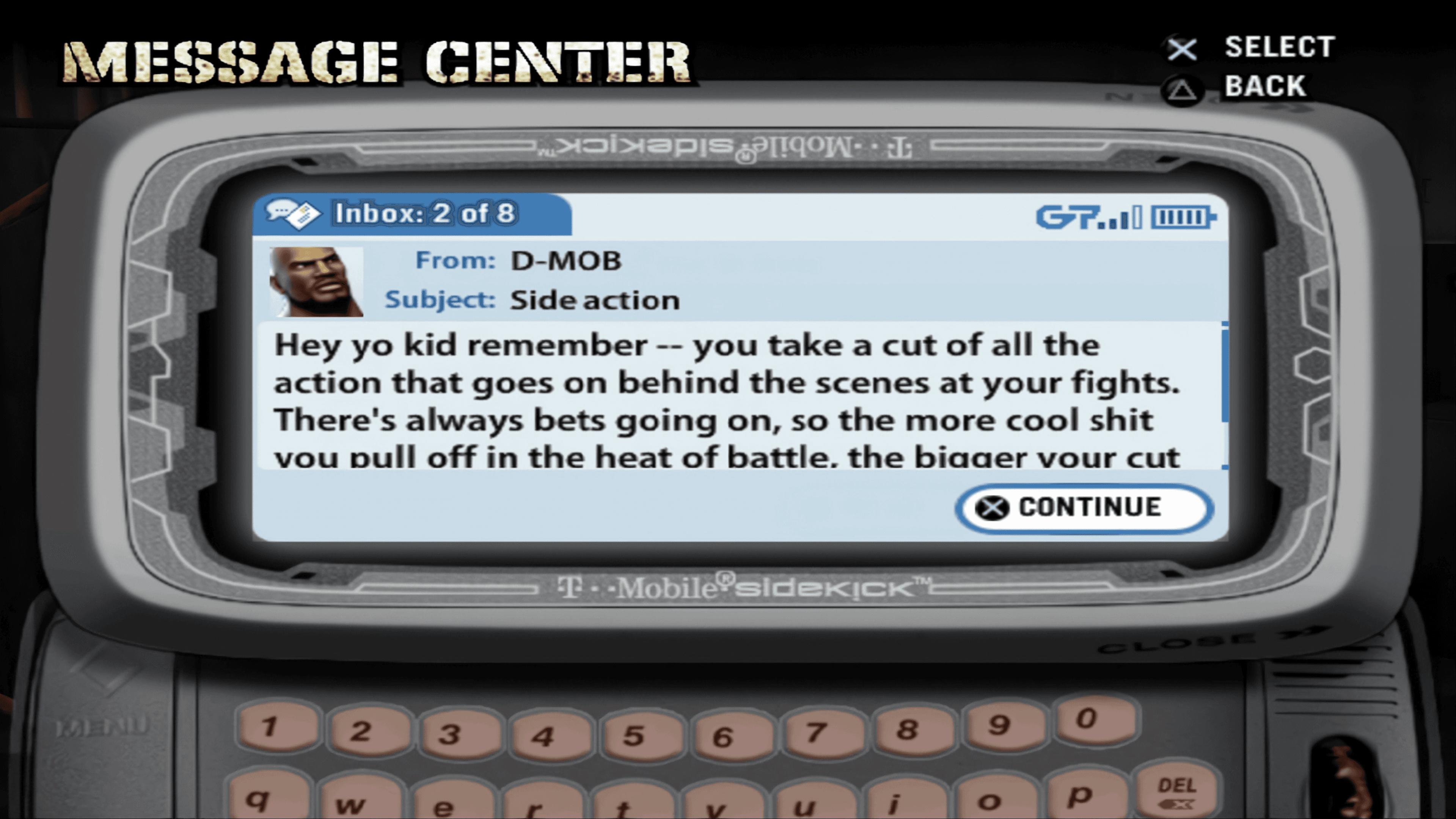
T-Mobile Sidekick, Message Center in Story Mode.
The environments where these confrontations took place were equally revolutionary, moving away from static backgrounds to create breathing, hostile New York vignettes. From gritty subway stations to high-end clubs, the stages were built with a level of interactivity that pushed the technical boundaries of the PS2 era. The most striking element was the crowd participation; the spectators were active participants in the chaos. If a fight drifted too close to the edge, the crowd would physically intervene, holding a fighter back or handing over weapons like lead pipes and bottles. This unpredictable energy, combined with destructible scenery, captured the raw atmosphere of a back-alley scrap where the rules were secondary to survival.
Looking back, Def Jam: Fight for NY stands as a rare instance where music, fashion, and gaming did not just collaborate but merged into a single cohesive vision. It caught hip-hop at its most flamboyant and aggressive, wrapping that cultural energy in a fluid, technical engine that still holds up today. It serves as a reminder of a period when style and substance were inseparable, creating a digital space where the strength of a character's punch was always matched by the weight of their image.
In the mid-2000s, the intersection of hip-hop and gaming reached a boiling point that remains a singular moment in digital history. While most fighting titles of that era were defined by generic rosters and sterile arenas, Def Jam: Fight for NY arrived in 2004 as a high-stakes playable archive of street culture. It functioned as a definitive time capsule for the "Bling Era," capturing a specific aesthetic and energy that had never been translated into a video game with such precision.
The weight of the game’s impact was largely driven by its commitment to authenticity through its roster. It moved beyond simple licensing by reimagining the industry’s titans as central figures in an underworld power struggle. Snoop Dogg took on the role of the calculated antagonist Crow, while artists like Ludacris and Xzibit appeared as formidable lieutenants within the narrative. This cinematic approach was anchored by the inclusion of cultural icons who existed outside the recording booth. The presence of Carmen Electra added a layer of early-2000s celebrity glam, while the appearance of Jacob Arabo as known as Jacob 'The Jeweler' served as the ultimate seal of legitimacy. Jacob Arabo was not merely a shopkeeper in the game; he was the same craftsman designing multi-million dollar pieces for Pharrell Williams and the hip-hop elite in the real world. His inclusion meant that a player’s digital status was backed by the same prestige found on 47th Street.
Jacob 'The Jeweler' at Jacob & Co.
This dedication to identity extended into the game’s deep customization mechanics, which centered on the evolution of a personal brand. The story mode allowed players to build a character from the ground up, treating streetwear not as a cosmetic layer, but as a core element of the experience. It provided a digital lookbook of the era's most iconic labels, allowing players to curate wardrobes featuring Ecko Unlimited, Phat Farm, and Sean John. The process of visiting Jacob to acquire platinum chains or selecting specific tattoos was a visceral exercise in projection. By allowing players to blend five distinct fighting styles—ranging from Streetfighting and Kickboxing to Martial Arts and Submissions—the game ensured that a character's movement was as curated and unique as their outfit.
Character Customization in Story Mode.
The sense of immersion was further grounded by the way the story mode handled its narrative progression. Between fights, players interacted with the game’s world through a dedicated Message Center designed to look like the T-Mobile Sidekick, the definitive communication tool of the period. Receiving messages from characters like D-Mob, written in the specific slang and vernacular of the early 2000s, added a layer of social realism to the campaign. It was a subtle detail that made the underground hierarchy feel genuine.
T-Mobile Sidekick, Message Center in Story Mode.
The environments where these confrontations took place were equally revolutionary, moving away from static backgrounds to create breathing, hostile New York vignettes. From gritty subway stations to high-end clubs, the stages were built with a level of interactivity that pushed the technical boundaries of the PS2 era. The most striking element was the crowd participation; the spectators were active participants in the chaos. If a fight drifted too close to the edge, the crowd would physically intervene, holding a fighter back or handing over weapons like lead pipes and bottles. This unpredictable energy, combined with destructible scenery, captured the raw atmosphere of a back-alley scrap where the rules were secondary to survival.
Looking back, Def Jam: Fight for NY stands as a rare instance where music, fashion, and gaming did not just collaborate but merged into a single cohesive vision. It caught hip-hop at its most flamboyant and aggressive, wrapping that cultural energy in a fluid, technical engine that still holds up today. It serves as a reminder of a period when style and substance were inseparable, creating a digital space where the strength of a character's punch was always matched by the weight of their image.
SHARE
Latest articles