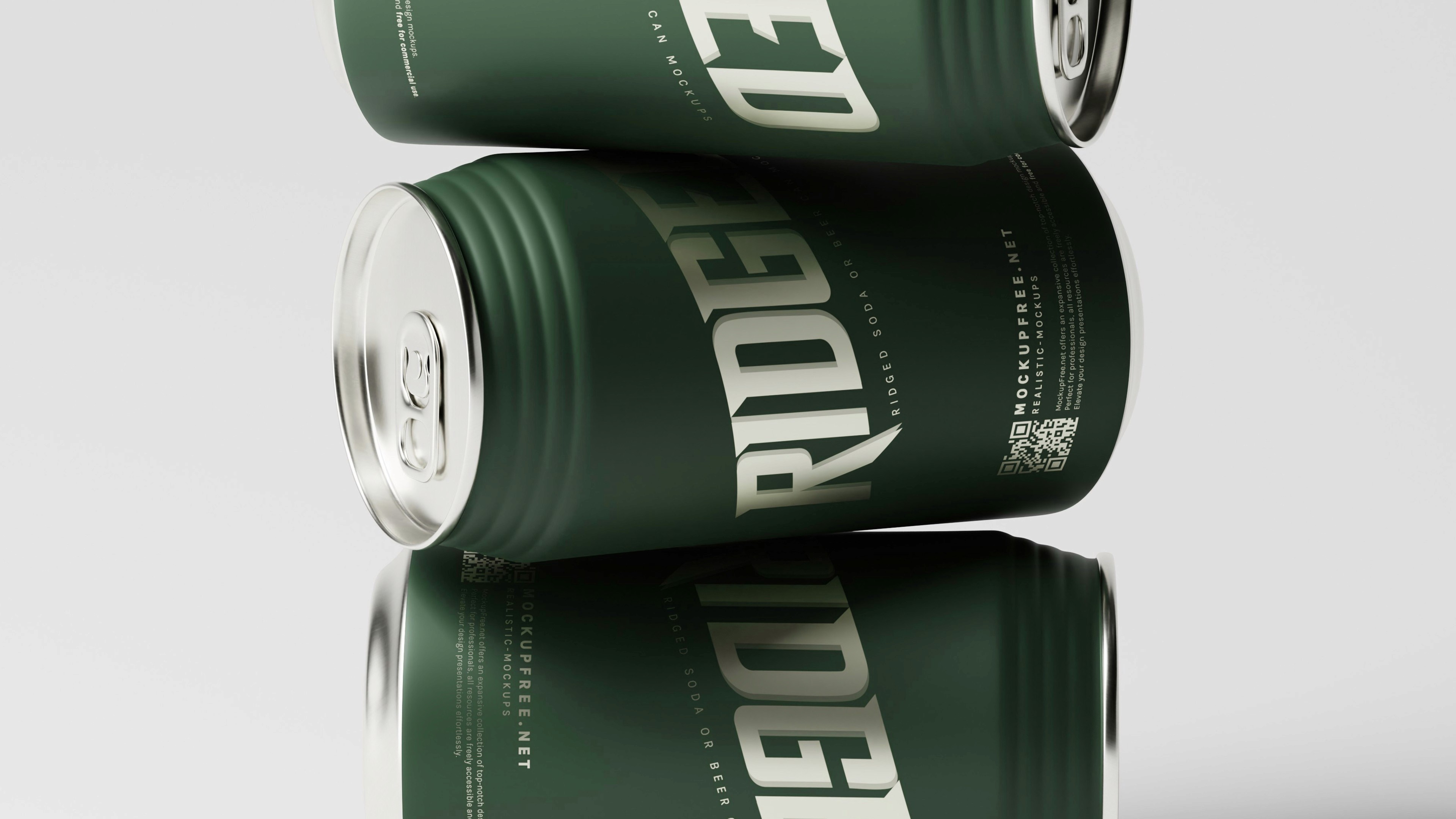
Beyond the Box: Why Packaging is the New Soul of Brand Identity
Beyond the Box: Why Packaging is the New Soul of Brand Identity
There was a time when packaging was merely the "necessary extra"—a functional, regulated afterthought in the branding process. Today, that script has been flipped.
In a world that feels increasingly intangible and digitally saturated, packaging has become one of the most emotionally charged, culturally revealing, and ethically debated spaces in design.
The conversation has moved far beyond aesthetics; it has shifted from simply "looking good" to "being seen," and ultimately, to doing good.
Redefining Premium: From Excess to Intent
In the past, the language of "premium" was written in heavy materials, high-gloss finishes, and overly complex structures. Today, that approach feels increasingly tone-deaf.
Modern sophistication is no longer measured by how much material you use, but by how thoughtfully you choose it. Luxury now lives in a designer’s ability to express value through restraint and clarity. While the technical challenges of manufacturing remain, the cultural stakes are higher than ever.
Packaging has become the primary stage where a brand demonstrates its true character when no one is scrolling—a rare physical touchpoint in a digital-first world.
The Object as a Narrative
If packaging once lived and died on the retail shelf, its journey now commands a significantly longer lifecycle. In an era dominated by e-commerce and digital sharing, the act of opening a box has evolved into a defining moment that anchors the entire customer journey.
As the first physical interaction a consumer has with a brand after a digital purchase, the unboxing process serves as a critical extension of the product experience itself. This requires a design that reveals itself in logical, satisfying layers, ensuring the brand’s quality is communicated just as effectively through a six-second social media clip as it is through the actual tactile sensation in the customer's hands.
Ultimately, modern packaging must achieve a rare balance: it must be a visual standout capable of cutting through the saturation of a physical aisle, yet remain clean and iconic enough to be instantly recognizable as a tiny thumbnail on a mobile screen.
The Four Pillars of the Modern Experience
To thrive in this new ecosystem, a brand’s design must move beyond the surface. These are the structural supports of a brand's reputation and the foundation of the narrative itself.
1 - Material Integrity
Sustainability has shifted from being a "bonus" feature to a fundamental expectation. Today’s consumers are material-literate; they can feel the difference between a genuine commitment and a superficial marketing gimmick.
True sustainability is about prioritizing low-impact, renewable sources from the very first sketch of the creative process. When a brand takes responsibility for its physical footprint, it leaves a lasting impression of integrity that stays with the customer long after the product is gone.
2 - Hybrid Connectivity
The modern package has become a gateway to a much larger conversation. By integrating subtle tech like QR codes or NFC tags, packaging bridges the space between the physical object in your hand and its digital history.
Whether it's verifying authenticity or tracing a product back to its origin, this "smart" layer turns a simple box into a tool for building deep, informed trust.
3 - Intentional Clarity
In a world that is constantly shouting for our attention, simplicity has become a superpower. We are seeing a move away from the need to "scream" on the shelf, replaced by the quiet confidence of clean lines and minimalist palettes.
By stripping away the noise, a brand allows the quality of the actual product to take center stage. This focus on clarity provides a moment of visual relief for the consumer, suggesting a level of honesty and order that resonates far more than a loud advertisement.
4 - Intuitive Function
At the end of the day, even the most beautiful design fails if it’s a struggle to use. Innovation is most powerful when it’s invisible, felt only in the ease of a resealable closure or the comfort of an ergonomic handle.
When packaging is easy to open, store, and eventually recycle, it removes the small frictions of daily life. This seamless utility builds a subconscious bond of reliability; it shows the brand respects the user's experience enough to ensure that every interaction, no matter how small, is completely frustration-free.
The Human Touch in an Automated World
As AI and automation accelerate the creative process, we are seeing the first signs of "digital fatigue." In response, packaging remains stubbornly physical.
It is one of the few remaining creative formats where material choice, tactile craftsmanship, and human intention can still be felt through the fingertips.
Investing in innovative packaging is, ultimately, an investment in your brand’s story. It is your silent salesperson, a promise of quality that exists long before the product is used, and an ethical commitment that remains after it’s gone.
Conclusion
Investing in innovative packaging is, ultimately, an investment in your brand’s story. It is your silent salesperson, a promise of quality that exists long before the product is used, and an ethical commitment that remains after it’s gone.
In a marketplace where attention is the most valuable currency, how you "wrap" your ideas can be the deciding factor between a one-time buyer and a lifelong advocate.
There was a time when packaging was merely the "necessary extra"—a functional, regulated afterthought in the branding process. Today, that script has been flipped.
In a world that feels increasingly intangible and digitally saturated, packaging has become one of the most emotionally charged, culturally revealing, and ethically debated spaces in design.
The conversation has moved far beyond aesthetics; it has shifted from simply "looking good" to "being seen," and ultimately, to doing good.
Redefining Premium: From Excess to Intent
In the past, the language of "premium" was written in heavy materials, high-gloss finishes, and overly complex structures. Today, that approach feels increasingly tone-deaf.
Modern sophistication is no longer measured by how much material you use, but by how thoughtfully you choose it. Luxury now lives in a designer’s ability to express value through restraint and clarity. While the technical challenges of manufacturing remain, the cultural stakes are higher than ever.
Packaging has become the primary stage where a brand demonstrates its true character when no one is scrolling—a rare physical touchpoint in a digital-first world.
The Object as a Narrative
If packaging once lived and died on the retail shelf, its journey now commands a significantly longer lifecycle. In an era dominated by e-commerce and digital sharing, the act of opening a box has evolved into a defining moment that anchors the entire customer journey.
As the first physical interaction a consumer has with a brand after a digital purchase, the unboxing process serves as a critical extension of the product experience itself. This requires a design that reveals itself in logical, satisfying layers, ensuring the brand’s quality is communicated just as effectively through a six-second social media clip as it is through the actual tactile sensation in the customer's hands.
Ultimately, modern packaging must achieve a rare balance: it must be a visual standout capable of cutting through the saturation of a physical aisle, yet remain clean and iconic enough to be instantly recognizable as a tiny thumbnail on a mobile screen.
The Four Pillars of the Modern Experience
To thrive in this new ecosystem, a brand’s design must move beyond the surface. These are the structural supports of a brand's reputation and the foundation of the narrative itself.
1 - Material Integrity
Sustainability has shifted from being a "bonus" feature to a fundamental expectation. Today’s consumers are material-literate; they can feel the difference between a genuine commitment and a superficial marketing gimmick.
True sustainability is about prioritizing low-impact, renewable sources from the very first sketch of the creative process. When a brand takes responsibility for its physical footprint, it leaves a lasting impression of integrity that stays with the customer long after the product is gone.
2 - Hybrid Connectivity
The modern package has become a gateway to a much larger conversation. By integrating subtle tech like QR codes or NFC tags, packaging bridges the space between the physical object in your hand and its digital history.
Whether it's verifying authenticity or tracing a product back to its origin, this "smart" layer turns a simple box into a tool for building deep, informed trust.
3 - Intentional Clarity
In a world that is constantly shouting for our attention, simplicity has become a superpower. We are seeing a move away from the need to "scream" on the shelf, replaced by the quiet confidence of clean lines and minimalist palettes.
By stripping away the noise, a brand allows the quality of the actual product to take center stage. This focus on clarity provides a moment of visual relief for the consumer, suggesting a level of honesty and order that resonates far more than a loud advertisement.
4 - Intuitive Function
At the end of the day, even the most beautiful design fails if it’s a struggle to use. Innovation is most powerful when it’s invisible, felt only in the ease of a resealable closure or the comfort of an ergonomic handle.
When packaging is easy to open, store, and eventually recycle, it removes the small frictions of daily life. This seamless utility builds a subconscious bond of reliability; it shows the brand respects the user's experience enough to ensure that every interaction, no matter how small, is completely frustration-free.
The Human Touch in an Automated World
As AI and automation accelerate the creative process, we are seeing the first signs of "digital fatigue." In response, packaging remains stubbornly physical.
It is one of the few remaining creative formats where material choice, tactile craftsmanship, and human intention can still be felt through the fingertips.
Investing in innovative packaging is, ultimately, an investment in your brand’s story. It is your silent salesperson, a promise of quality that exists long before the product is used, and an ethical commitment that remains after it’s gone.
Conclusion
Investing in innovative packaging is, ultimately, an investment in your brand’s story. It is your silent salesperson, a promise of quality that exists long before the product is used, and an ethical commitment that remains after it’s gone.
In a marketplace where attention is the most valuable currency, how you "wrap" your ideas can be the deciding factor between a one-time buyer and a lifelong advocate.
SHARE
Latest articles