The IKEA Effect: How Strategic Design and Psychology Built a Global Empire

The IKEA Effect: How Strategic Design and Psychology Built a Global Empire

The IKEA Effect: How Strategic Design and Psychology Built a Global Empire

SHARE

To understand why IKEA has become such a beloved global powerhouse, one must look past the furniture and into the masterclass of behavioral psychology and strategic design that defines the brand. The experience begins the moment you step through those blue and yellow doors, entering what is internally known as "The Long Natural Way." This intentional, zig-zagging layout acts as a narrative journey. By guiding you through every section, IKEA removes the fatigue of choice and replaces it with a sense of curated discovery, where every turn reveals a new corner of a life you might want to lead.
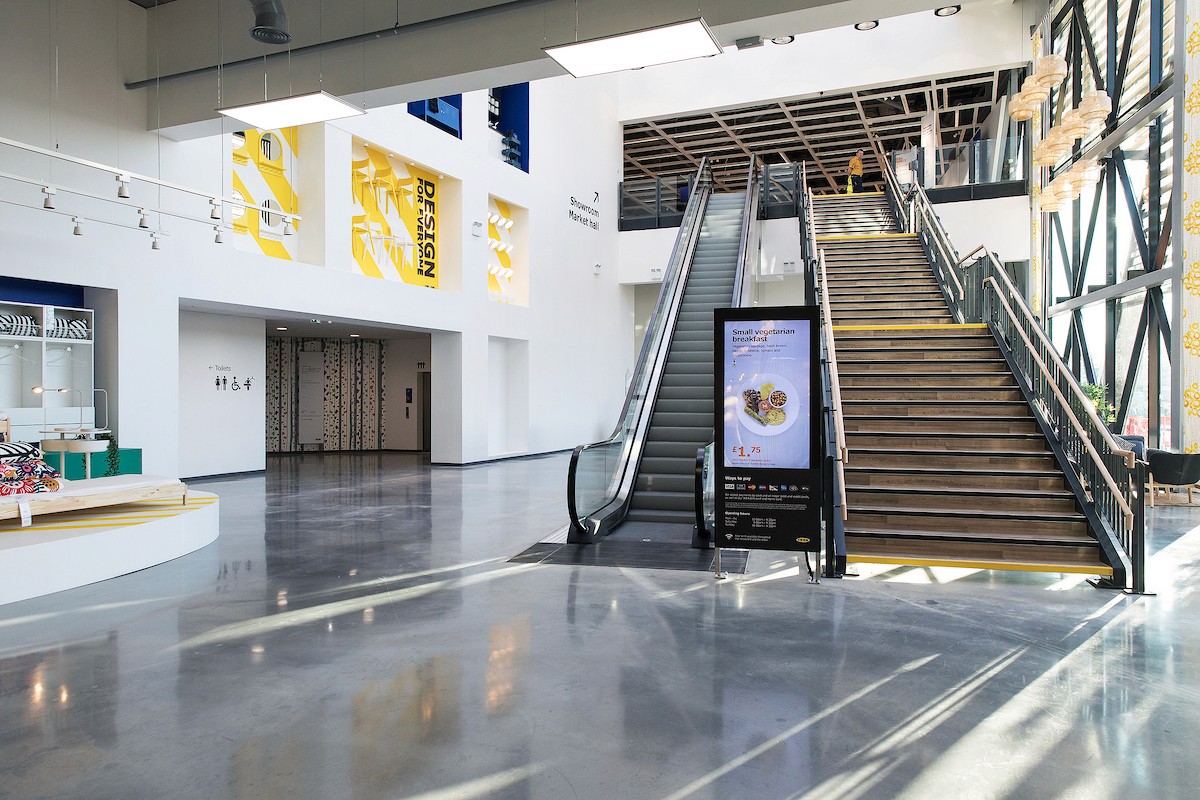
Following the floor markings leads to the physical expression of “Democratic Design.” These staged rooms provide a way to visualize living solutions through functional setups. By inviting people to interact with the furniture and explore the layouts, IKEA lowers the psychological barriers to purchase, making the dream of a perfectly organized 25-square-meter space feel entirely attainable.

This connection deepens once you leave the store and begin the ritual of assembly. There is a specific cognitive bias known as the "IKEA Effect," which suggests that we attribute a disproportionately high value to things we help create. The time spent with an Allen key fosters a sense of pride and ownership. This experience includes the cafeteria, which reflects founder Ingvar Kamprad’s belief in the importance of a well-fed customer. The food serves as a strategic element to maintain energy and comfort during the visit.
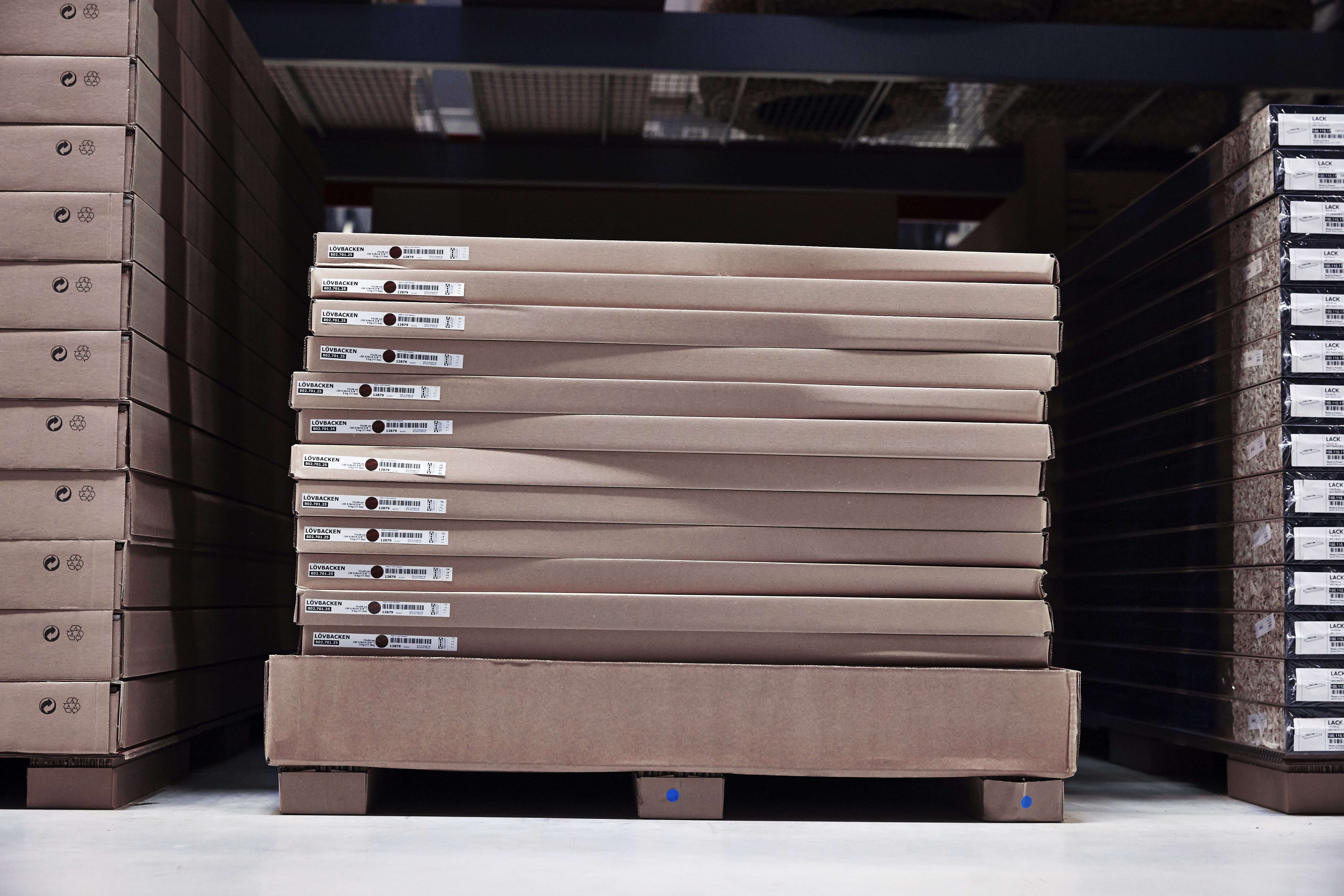
The foundation of this entire empire, however, rests on a logistical breakthrough from 1956. When designer Gillis Lundgren realized he couldn't fit a table into his car, he removed the legs and discovered that "transporting air" was the greatest enemy of affordability. This birthed the Flat Pack revolution. By shifting the final assembly to the consumer and maximizing shipping efficiency, IKEA managed to slash costs and pass those savings directly to the customer, making high-end aesthetics accessible to the masses.

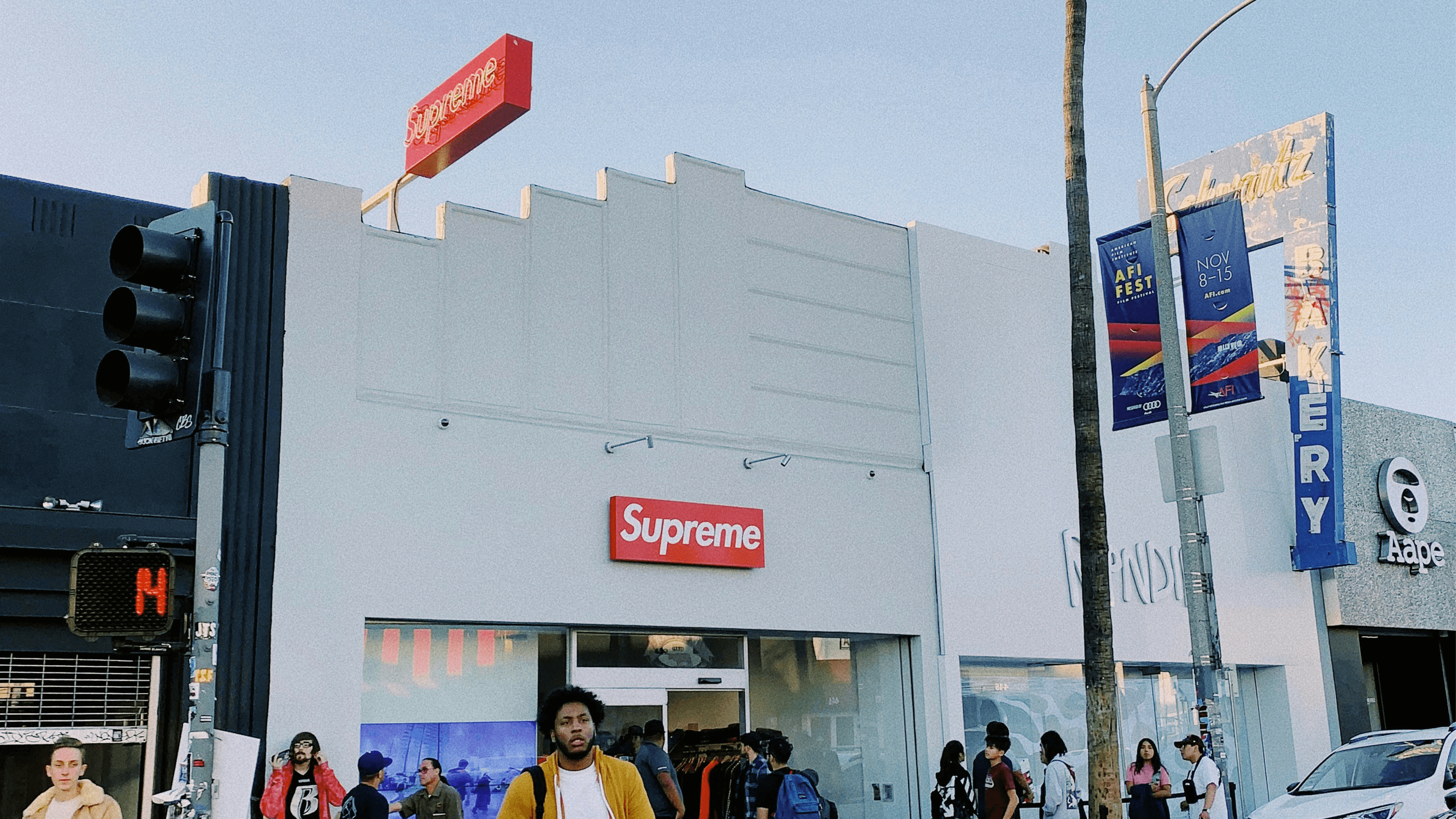
IKEA has reached the status of a cultural icon, particularly within design and streetwear communities. The 2019 collaboration with Virgil Abloh, MARKERAD, applied a creative ethos to everyday objects, turning rugs and bags into recognized collector’s items. Ongoing partnerships, such as the one with Gustaf Westman in 2026, continue this legacy. IKEA functions as a platform for self-expression at the intersection of design and culture.
To understand why IKEA has become such a beloved global powerhouse, one must look past the furniture and into the masterclass of behavioral psychology and strategic design that defines the brand. The experience begins the moment you step through those blue and yellow doors, entering what is internally known as "The Long Natural Way." This intentional, zig-zagging layout acts as a narrative journey. By guiding you through every section, IKEA removes the fatigue of choice and replaces it with a sense of curated discovery, where every turn reveals a new corner of a life you might want to lead.

Following the floor markings leads to the physical expression of “Democratic Design.” These staged rooms provide a way to visualize living solutions through functional setups. By inviting people to interact with the furniture and explore the layouts, IKEA lowers the psychological barriers to purchase, making the dream of a perfectly organized 25-square-meter space feel entirely attainable.

This connection deepens once you leave the store and begin the ritual of assembly. There is a specific cognitive bias known as the "IKEA Effect," which suggests that we attribute a disproportionately high value to things we help create. The time spent with an Allen key fosters a sense of pride and ownership. This experience includes the cafeteria, which reflects founder Ingvar Kamprad’s belief in the importance of a well-fed customer. The food serves as a strategic element to maintain energy and comfort during the visit.

The foundation of this entire empire, however, rests on a logistical breakthrough from 1956. When designer Gillis Lundgren realized he couldn't fit a table into his car, he removed the legs and discovered that "transporting air" was the greatest enemy of affordability. This birthed the Flat Pack revolution. By shifting the final assembly to the consumer and maximizing shipping efficiency, IKEA managed to slash costs and pass those savings directly to the customer, making high-end aesthetics accessible to the masses.

IKEA has reached the status of a cultural icon, particularly within design and streetwear communities. The 2019 collaboration with Virgil Abloh, MARKERAD, applied a creative ethos to everyday objects, turning rugs and bags into recognized collector’s items. Ongoing partnerships, such as the one with Gustaf Westman in 2026, continue this legacy. IKEA functions as a platform for self-expression at the intersection of design and culture.
SHARE

The IKEA Effect: How Strategic Design and Psychology Built a Global Empire